Saturday, March 9, 2013

My French Wine Odyssey: CIVC- Champagne's Guardian Angel


 Fame has its flipsides too! First- a continuous effort required to stay on top and second- increasingly high number of competitors surreptitiously trying to encash on your brand. So what does one do to counter these threats? Simple! Be your original self and continuously innovate! This is precisely what the best known wine in the world does, and the regulatory body known as Comité Interprofessionnel du Vin de Champagne (CIVC) rather proactively ensures so!

CIVC was initially formed in 1935 by the name ‘Chalons Committee’ (Chalons is a small city that is the capital of Champagne-Ardenne district) with an aim to harmonise dealings between  vine growers and the négociants (merchants) in the Champagne region. Over the years, the organisational structure of this committee saw changes and it evolved in the present form in 1941. The principal activities of CIVC relate to technical and commercial support to the Champagne producers as also to zealously defend the Champagne brand against wrongful, illegal or unauthorised use in many countries. It goes without saying that thus far it has done an enviable job of it !

Coming to my visit to Champagne, it was courtesy CIVC that I landed as a guest in the region, thanks to my enthusiasm (and most certainly performance too) in the Intermediate level certification of the Wine and Spirit Education Trust (WSET), London. These scholarships are awarded by CIVC to offer select wine professionals across the world, a detailed look into the enchanting world of the famed bubbly!

(Click on the photos to enlarge)


So when we arrived at the lively yet business like street in Epernay, the Maison de la Champagne greeted us with its chic demeanour silently containing the bubbly vivacity as would a Champagne bottle- and the Ambassador of Champagne to India, Mr Rajiv Singhal (in the photo alongside) led our delegation from the front. We were escorted to a vast and naturally illuminated hall replete with tables that had all the requisites of wine tasting. But before the   tasting expedition,  it was the crisp and informative presentation by Monsieur Philippe Wibrotte, Responsable des Relations Publique at CIVC, that opened our eyes  about how over the years, Champagne has withstood the vagaries of brand infringements, tough production years, and increasing market competition- all the while managing to stand tall and inimitable! The ubiquitous role of CIVC in the complete Champagne lifecycle- from Research and Development to Growing, Bottling, Shipping, Marketing, Retailing and Customer Contact, was also highlighted .


Following this was a guided wine tasting  conducted  by CIVC's Oenologue Chargée de Communication, Madame Violaine de Caffarelli. The focus of the tasting was    to highlight various aspects of terroir (soil type and micro climate), peculiarities of aperitif and gourmet wines, as also different winemaking philosophies of  producers. The sequence of tasting was intelligently chosen so as to bring out the typicalities of grapes that go into the making of Champagne. The experience was poetically fluid and delightful  as under :


Paul Goerg, Blanc de Blancs
Paul Goerg is a cooperative located in Vertus (one of the highest Premier Cru villages of Champagne) and is named after a Mayor of the town in late 19th century, who did yeoman service to the vineyards of the region. Situated in Cotes des Blancs region famous for its Chardonnay grapes, 85 % of vineyards here are Premier Cru and the wines are produced in different styles owing to the diverse terroirs within the region.

Tasting Notes.
A classic refreshing Chardonnay with wonderful complexity. The wine was limpid and pale gold in colour, with  aromas of dried fruits and bread. The continuous bead of plentiful  bubbles that formed an intense ring on top, made for a mesmerizing sight . The palate was creamy  with complex flavours of prunes, figs, honey and nuts. I could not help but nod in affirmation when Madame Caffarelli pronounced it a good aperitif wine.

 Mailly Grand Cru, Blanc de Noirs 
 What started as a collective bounceback effort by growers after the markets crash in 1929, went on to become one of the best known cooperatives located entirely in a Grand Cru region in the heart of Montagne de Reims. The Mailly estate is famed for its Pinot Noir dominant wines though Chardonnay is also cultivated in around 25% of its 70 hectares vineyards and used in some of its wines. We tasted this 100% Pinot Noir and the experience was nothing short of delightful! 

Tasting Notes
An intense antique gold colour with a subtle rouge tint. Earthy and nutty nose with aromas of ripe berries, and some floral notes. On the palate, it was steely yet soothing,followed by a long finish. This wine was highlighted as a food wine and here too, we were in agreement owing to its lingering presence in the mouth.

Ruinart Brut, 50% each Pinot Noir and Chardonnay. 
The oldest Champagne house (established in 1729) that distributes its wines through very few outlets,is amongst the connoisseurs’ favourite the world over. The house is presently owned by the luxury goods conglomerate  Louis Vuitton Moet Hennessey (LVMH). True to its ancient history, the Ruinart bottle is modelled on the original 18th century champagne bottle.

Tasting Notes :
A brilliant straw yellow colour with gold reflections. A fruity and nutty nose complemented with yeasty aromas. The palate was full bodied with refreshing acidity, good structure and flavours of red apples and ripe peaches. An excellent gourmet wine but also good as aperitif. 

 A Lunch Fit for Kings


After the surreal tasting, we were escorted  through the picture perfect streets of Epernay for a gourmet lunch  hosted by CIVC at La Grillade Gourmande- a signature fine dining space owned by celebrity chef Christophe Bernard. Apart from the outstanding food, the wine list was humungous- content wise, as well as in its physical form. With real wine labels pasted on a thick cardboard album, it required well worked out arms to hold but then- no spectacles even if one is known to strain on a size 14 font! The Champagnes we selected were a Philipponat- a familiar Sparkler at Michelin starred restaurants & an exclusive Alfred Gratien- that falls into the Boutique genre. The chef personally approved our choice and his passion in describing the wine and food made his intimate involvement in the restaurant nothing but obvious. The pure indulgence made us miss out on scribbling down the tasting notes, but we compensated by clicking photos of the gourmet food- not to forget a parting snap with chef Christophe Bernard himself!

We couldn’t have had it better CIVC ! Merci! Au Revoir très bientôt!


P.S. Will upload more pictures on this post soon! So checkout the blog again after a couple of days!



Saturday, December 29, 2012

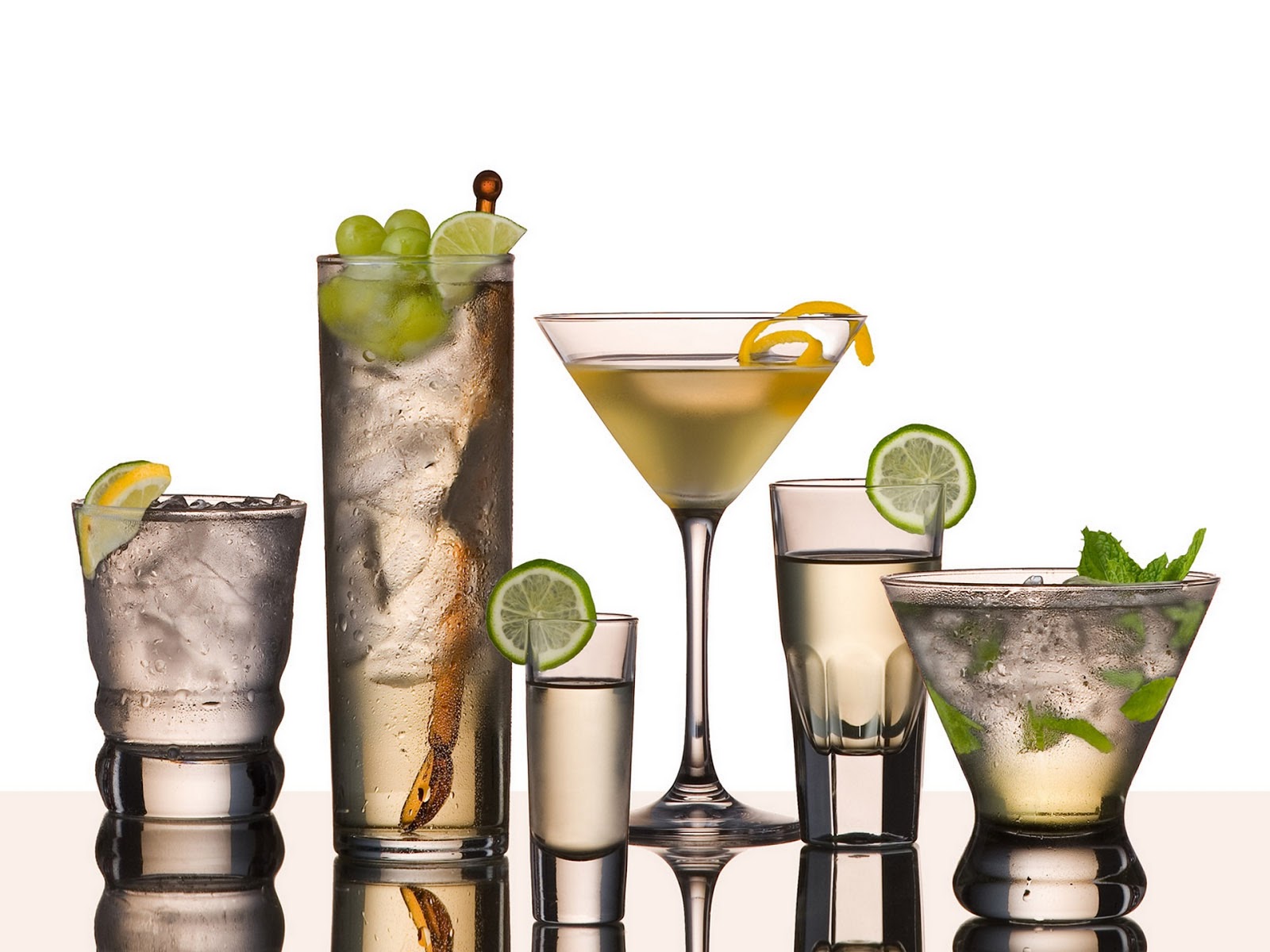
10 Tips on Sensible Drinking in the Celebratory Season


In the fading moments of 2011, I had posted an article on my website on the subject of sensible drinking during the festive season- particularly on New Year Eve. The article was well received and many friends gave me thumbs up for it.  This time around, due to restructuring of my website and the advent of this blog , I am reinventing, refining and reproducing the same article with some added tips that are the result of personal experimentations. It would be thrilling for me if I am instrumental in affecting even one lesser hangover this New Year! So here goes:-

  
Before the Limousine moment

1.  Best Foot Forward

Start the D day, with a healthy breakfast of fruits, cereals and nuts- an oft repeated advice- so what’s exceptional about it?  Well, for starters, these would build up your reserves of water and vitamins that are bound to get depleted by the ensuing indulgences. The roughage provided too, would ensure that your ‘throne’ séjour is comfortable the morning after. Top nutritionists advice that your day’s food intake should be balanced by the counterweights of  the opposite variety.  Hence having a healthy daytime intake would keep you well poised (and relatively guilt free) for letting your hair down in the evening.

2. Butter..oops..Oil’em Up

Old timers would bet on the effectiveness of consuming a generous dollop of butter before leaving on an alcohol bingeing spree- and rightly so- because the greasy lining created by butter reduces alcohol absorption in the stomach, thus limiting its harmful effects. I would advice the butter to be substituted by a 60 ml shot of Extra Virgin olive oil, which would serve the same purpose with significantly lesser calories. Also, Olive Oil is rich in Vitamins E, K and beneficial fatty acids thus providing another line of defence for your body.


3. Bulk it!

Psyllium husk or Isabgol as known in Hindi is a wonderful natural produce that is obtained by milling the Psyllium seeds. These flakes can absorb fluids more than 10 times their weight, are insoluble and are not digestible by the body. Due to this absorption power, they have a tendency to bulk up and make one feel fuller in the stomach. Having 2 tablespoonfuls of Isabgol with water would ensure that you do not dart off to that fried snacks counter too early in the evening as also limit the alcohol getting through to your stomach lining - same way the taxman limits the money reaching your pocket!


After traversing the Red Carpet


4. Do not drink on an empty stomach. When you arrive at the party venue, grab an initial glass of water (warm water if you don’t fancy a cool glass owing to the chilly weather)  and make this first drink last for at least 10 minutes, nibbling on starters if already being served. This will also give you time to check-out what drinks are available at the bar & make a considered decision about your tipple for the evening.

5. Once you hold your preferred drink, change drinks only if you have a history of being able to endure mixed drinks. Remember, there’s no bravado in having mixed drinks since the tolerance for these differs by body constitution, and there is nobody else who would know the suitability better than you. There is no “one size fits all” in drinks & that friend of yours with an enviable capability to digest gallons of concoctions doesn’t necessarily qualify to star in the sequel to Skyfall. So forget about the halo effect and if at all, try different drinks with the same alcohol base- i.e. if having Vodka, stick to Vodka based drinks only.

6. Be aware of your alcohol limit going by past experience  both with straight-up drinks and cocktails. Cocktails generally contain some sweet element that enhances the potency  of the alcohol. Also, owing to the freezing temperatures during this part of the year, the tendency to gulp down drinks fast in higher. To obviate the guzzling spree, locate a warm place like a heating arrangement or a cosy setup and  get intimate (conversation wise) with friends that interest you. The urge to visit the bar counter will be much lesser. 

7. Try spacing consecutive drinks with a few gulps of pure aqua. If this sounds too clichéd, dilute your straight up drink with a little water or if having cocktails ask the bartender to dilute it with the appropriate mixer. 

8. Politely refuse to the waiter, an offer for replenishing your drink if your glass already contains 1/3rd  or more of its capacity. You will be surprised as to how much control you’ve had on your intake by following this simple principle.

9. Remember, contentment is a state of mind and the law of diminishing returns is equally applicable when it comes to consumption of alcohol. Studies have shown that after consuming upto 4-5 large drinks, further consumption becomes more of a mechanical pursuit rather than real pleasure. If you are conscious of your intake, it is unlikely that you will exceed this quantity- but if the stage does arrive- it’s time to grab the dinner plate or head for the dance floor.

 10. Lastly- remember that it’s New Year’s Eve and the aim is to share the excitement and celebration with your nears and dears to make it a fond memory. The idea is not to get ****ed drunk as to forget the next day  how wonderful the previous evening had been, and worse, get a crippling hangover on the very first day of the promising year ahead!

P.S. One last word! Do surprise the cop at the crossing by being driven back home by a non-drinker!

Wishing you a Happy, Safe and Successful New Year!


Sunday, December 16, 2012

My French Wine Odyssey: Champagne Taittinger


La Marquetterie! The enchanting  18th century Taittinger Estate,   that   must feature on the itinerary of  any visitor to this Champagne house if the visit is to be considered complete!  These were the thoughts that crossed my mind while I partook of the 5 course gourmet  dinner accompanied with their finest Champagnes at the manor. And to think that I had already started summarizing my visit to Taittinger after admiring their picture perfect cellars earlier in the day!


La Marquetterie is the French word for ‘The Chequerboard’ and the estate is named so due to the alternately planted plots with Pinot Noir and Chardonnay grapes. During autumn when the leaves of these different grapevines turn into hues of red  and yellow, the whole estate looks like  God’s own chess board - albeit in colour. The magnificent Chateau de la Marquetterie also has a depth of historical significance being  originally a  Military Headquarters during the first world war where many a battle was planned. It was during those times that Pierre Taittinger, a Cavalry man with the French Army fascinated about returning back some day and acquiring the estate. Return he did- and voila! Seeds were sown for one of the well known Champagne houses of  of the day. Despite a turbulent past where the control of the Champagne house slipped from the hands of the Taittinger family, it is once again back  with the family with Emmanuel Taittinger at the helm and his children Clovis and Vitalie playing active roles in keeping up with the times.


So much for history. Coming to  serious Champagne business, our visit to Taittinger kicked off with a visit to their famous cellars at the Saint Nicaise Abbey- one of the erstwhile abodes of Benedictine monks that was once a chalk quarry . The Benedictine monks enlarged these 4th century chalk quarries to create  an  optimum environment  for storing Champagne with just the right levels of humidity and temperature. Taittinger acquired these cellars in 1931, and since then, millions of their bottles age in this wine friendly environment. In one of these caves, we came across an overwhelming 1,00,000 bottles of their prestige cuvée Comtes de Champagne resting before their tryst with the outside world!

Following the visit to cellars, we were received at La Marquetterie by Madame Dominique Garreta, Directrice Communication at Taittinger and  proceeded immediately to the vineyards adjoining the manor. While we soaked in the breathtaking landscape with Pinot Noir and Chardonnay on  either sides ready for harvest, the first Champagne of the rendezvous- Comtes de Champagne Blanc de Blancs 2002 was offered for tasting. The experience was as under:


Comtes de Champagne Blanc de Blancs, 2002

 Taittinger calls this as its ‘Holy Grail’ due to its out and out exclusivity. It is a vintage Champagne  matured for 8 to 10 years in the chalk cellars  and is made entirely from Chardonnay grapes grown in the best Grands Crus of Cotes des Blancs. Only First Press wines are used for this cuvée that impart  it the finesse so rightly associated with it.

Tasting Notes

Pale gold colour with abundant  bubbles forming a persistent mousse. The bouquet is fresh and mineral with citrus and toasty notes. A refreshing palate with flavours of pineapple, melon and toasted  brioche. With smooth long finish, this wine can work as an aperitif and also with rich and creamy food. We sampled it with finger food ranging from puffed pastries, to  assorted skewered meats.


After sampling this exclusive wine, we moved inside Chateau de la Marquetterie for dinner at a round dining table with historical artifacts all around. The Champagnes served with the dinner were:


Taittinger Prélude Grands Crus Brut

A 50:50 blend of Pinot Noir and Chardonnay, the grapes for this wine are sourced from vineyards with a 100% rating in the Champagne classification system. Again, only First Press wines are used in this blend and it is aged in the cellars for several  years more than the stipulated minimum regulation (15 months for a Non Vintage Champagne).

Tasting  Notes:

A shimmering pale gold colour with aromas of citrus fruits and white flowers. The palate is refreshing with flavours of  peaches,geen apples and a pleasing minerality. The finish is rich and explosive that lingers for a long time. Good as an aperitif or with seafood. We were served this with the Entrée course of grilled petit vegetables and roasted shrimps.


Taittinger Brut Millésimé 2005

This Brut vintage cuvée is a blend of equal parts of Grand Cru Chardonnay from Cote de Blancs and Grands Crus Pinot Noir from Montagne de Reims and top of the Marne valley. Made exclusively from First Press juice, it matures for a long time in the cellars.

Tasting Notes:

Bright golden straw yellow colour with vigorous effervescence. The nose is intensely aromatic with initial flowery notes developing into ripe fruit and dried fruit aromas. The palate is complex and rich with a fruity character that lends it a subtle sweetness. A long and fine finish makes it a good food wine. We appreciated it with the main course of Fish Fillet  stuffed  with scallops,nuts and saffron and Zucchini Ribbons in fresh butter.


The Famous Gate Carneros 2006

This wine is a Pinot Noir from Taittinger’s wine estate Domaine Carneros in Napa Valley, California held jointly with Kobrand Corporation of the USA. Domaine Carneros produces three sparkling wines (note that these cannot be called Champagne) and two still red wines.  

Tasting Notes

Bright and deep cherry colour. Explosively fruity on the nose accompanied  with an earthy aroma. Medium bodied and fruity on the palate with flavours of raspberries, red cherries and a hint of spice. Light tannins  and a medium-long finish make it an easy drinking red wine with a lasting impression We relished it  with the Fromage course of aged cheeses and dry fruits compote.


Taittinger Nocturne Sec

Taittinger highlights this as a Night Time Champagne due to its propensity to accompany the sweeter  things in life, and with perfect  reason-  this Champagne has 17.5 grams per litres of dosage (added sugar in the last stage of Champagne production) that classifies it as Sec (Dry). As compared to Brut, Extra Brut and Brut Nature Champagnes, Sec Champagnes are sweeter but only subtly. The added sugar lends them a fuller and rounder body that makes them good accompaniment with a host of desserts. the compostion of this wine is 40% Chardonnay and 60% of  Pinot Noir and Pinot Meunier.


Tasting Notes:
Pale bright lemon  colour . A delicate nose of peaches, dried apricots and white flowers. A smooth full bodied  creamy palate with good levels of acidity and a sensation of ripe fruits and  raisins. The finish is long and smooth with layered complexity. A good dessert wine but could also be enjoyed on its own- maybe as a digestif. We sampled it with Pistache Macarons, Strawberry Sorbet and a collection of Red Fruits.


The indulging dinner concluding, we bade farewell to Madame Dominique Garreta and the house of Taittinger with a hope of finding these wines more abundantly at customer friendly prices in India in the near future. As per Taittinger, the present volumes are not significant in India primarily due to the high landed cost of wines, but there is great hope due to the ongoing  dialogue  of trade concessions between India and the European Union. Needless to say that as wine lovers  we would wait impatiently for that to happen!


Pic Courtesy: Shalini Kumar, Editor, Spiritz